What should I ask an agent about old houses before hiring them?
The questions that sort agents fast when you're buying an older Portland house: the sewer line, oil tanks, the foundation, historic districts, and when they'd say walk away.
Jake Goodson · November 19, 2026
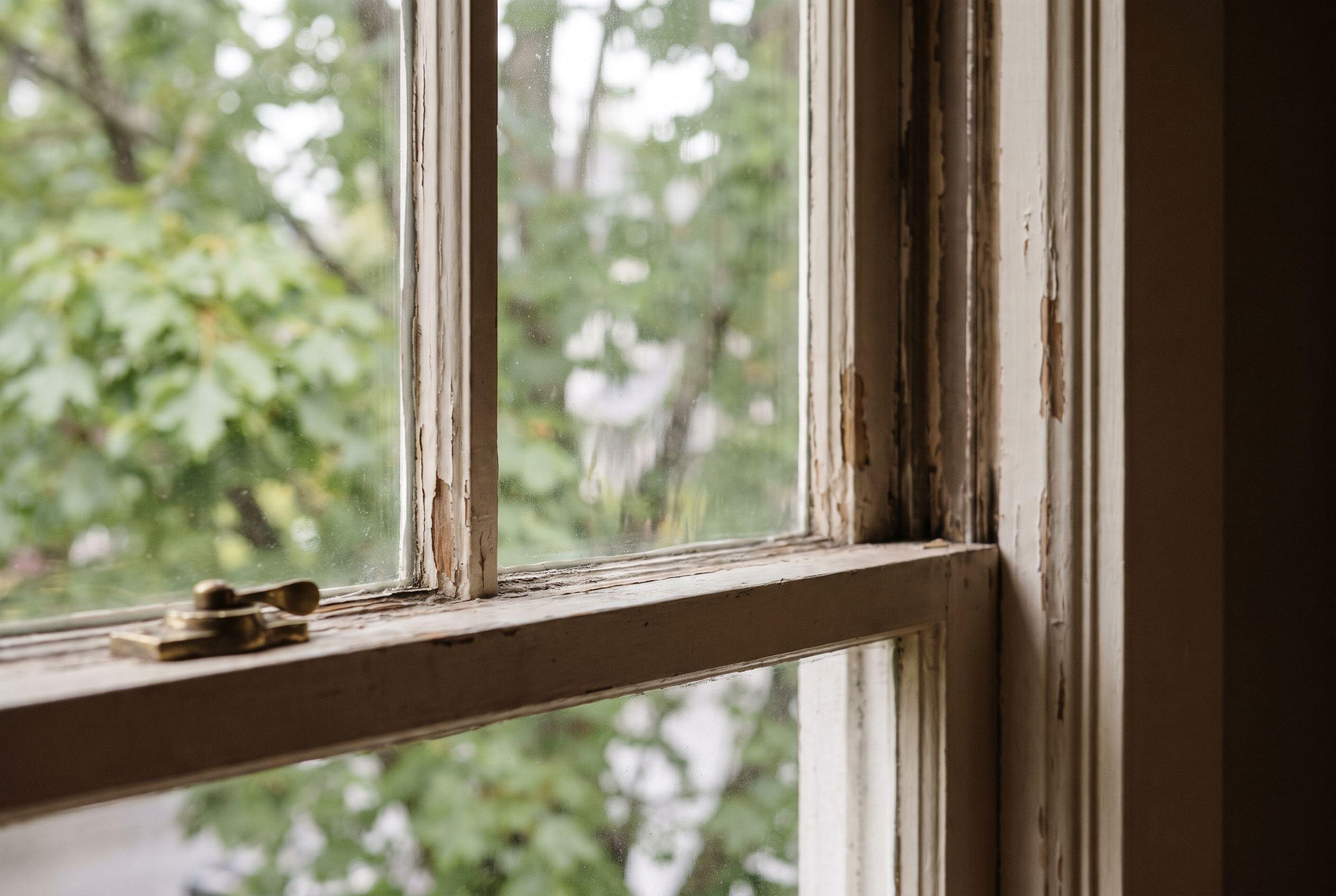
The short answer: ask questions that only someone who has spent time in old houses can answer well. Ask what they'd check that the listing doesn't mention, like the sewer line, an old oil tank and the foundation. Ask whether they can tell what's original from what's been replaced. And ask what would make them tell you to walk away.
You should know where we stand before you read the rest. We're agents, and we'd like to be the ones you hire. So use this list on us too. It's a fair test.
A house from 1924 has had a hundred years to collect other people's ideas. Some of them were good. The questions below are how you find an agent who can tell which ones.
Can you tell me what's original and what isn't?
Start here, at the first showing. Point at the windows and ask.
On a lot of older Portland houses, the windows and the siding are the first things to have been replaced. In Laurelhurst, for example, the neighborhood's National Register nomination says the most common changes are new windows, new siding, and additions or dormers on the back. We wrote about what that means for a buyer there.
A good answer is specific. "Those are vinyl, and the originals would have been wood with divided panes" tells you the agent is looking at the house. "It's been nicely updated" tells you they're reading the listing.
None of this decides whether the house is a good buy. It tells you what you're paying for, and whether the person beside you can see it.
Would you get a sewer scope on this one?
For a house this age, the answer should come quickly and it should be yes. The City of Portland says the property owner is responsible for the sewer line from the house to the curb. Unless someone replaced it, that line is as old as the house. A camera down the pipe before you buy is how you find out what shape it's in while it's still the seller's pipe. Here's what the scope shows.
How would you find out if there's an oil tank?
Some older Portland houses were heated with oil, and the tank may still be there. An agent who works in old houses should know what the state says about them.
Oregon DEQ's guidance is plain. If the owner doesn't know whether there's a tank, DEQ recommends the buyer hire a qualified expert to check. A tank that's only been emptied hasn't been decommissioned. And the current owner is responsible for cleaning up a leak, even one that happened before they bought the house.
So the answer you want is something like "we'll have it checked before the inspection period ends." The one that should worry you is "the seller says it's been emptied."
What does the disclosure say about the foundation?
Oregon's seller disclosure form asks this directly. Section 8 of the form asks whether the house was built before 1974, and if so, whether it has been bolted to its foundation. The seller can answer yes, no, or unknown.
Ask your agent to read you that answer, and ask what they'd do about "unknown." A good agent goes down to the basement with you and looks.
Is it in a historic district, and does that matter?
In Portland, it can. Properties in the city's historic, conservation and National Register districts are classified as contributing or non-contributing. A contributing house was built during the district's historic period and still holds onto what it looked like then. A non-contributing one was built later or has been changed too much.
The label can change what you're allowed to do later, and tearing down a contributing house takes a city review. An agent who knows old houses will tell you which kind you're looking at before you fall for the idea of a new porch.
When will I see the lead paint disclosure?
Before you sign anything. The EPA's lead-based paint disclosure rule covers most housing built before 1978, and real estate agents share responsibility for it along with the seller. You shouldn't have to ask. If you do, the answer should be quick.
What should I make of the Home Energy Score?
Most houses for sale in Portland come with one. It runs from 1 to 10, and it rates the house itself, not how the current owners use it. The city says a 1 "does not mean it is poorly built." It means there's room to improve. An agent who treats a low score on a 1912 house as the end of the conversation is missing the point of a 1912 house.
Which answer matters most?
Ask this one last: "What would make you tell me not to buy a house?"
Our pick for the best answer is a specific one. The agent names a thing they've seen in old houses that wasn't worth fixing for the price, and doesn't try to make it sound rare. The answer to worry about is any version of "it's a great market for this," because it isn't an answer.
An old house is supposed to have stories. You want someone next to you who can read them, and who will still be honest when the story is a bad one.
Want to try the list on us?
Send us the house you're looking at, or just call. We'll answer every question above about that house, including the last one. Call us at 503.730.8677 or email hello@houselabteam.com.
The Houselab Team @ LikeKind Realty
Related
Is Alameda or Irvington better for buying an older home in Portland?
Two Northeast Portland neighborhoods full of houses from the 1910s and 1920s, side by side. Here's the difference that matters once you own one, and what we'd check on each before you bid.
Is buying a house near the Springwater Corridor a good idea in Portland?
It depends on the block. Here's what we check first, starting with the flood map, and how a house near the trail compares with the inner Southeast blocks you may have started with.